AI Astrology Apps and TikTok/Reels Are Making Horoscopes Cool Again
How Technology Is Transforming the Way We Explore the Stars
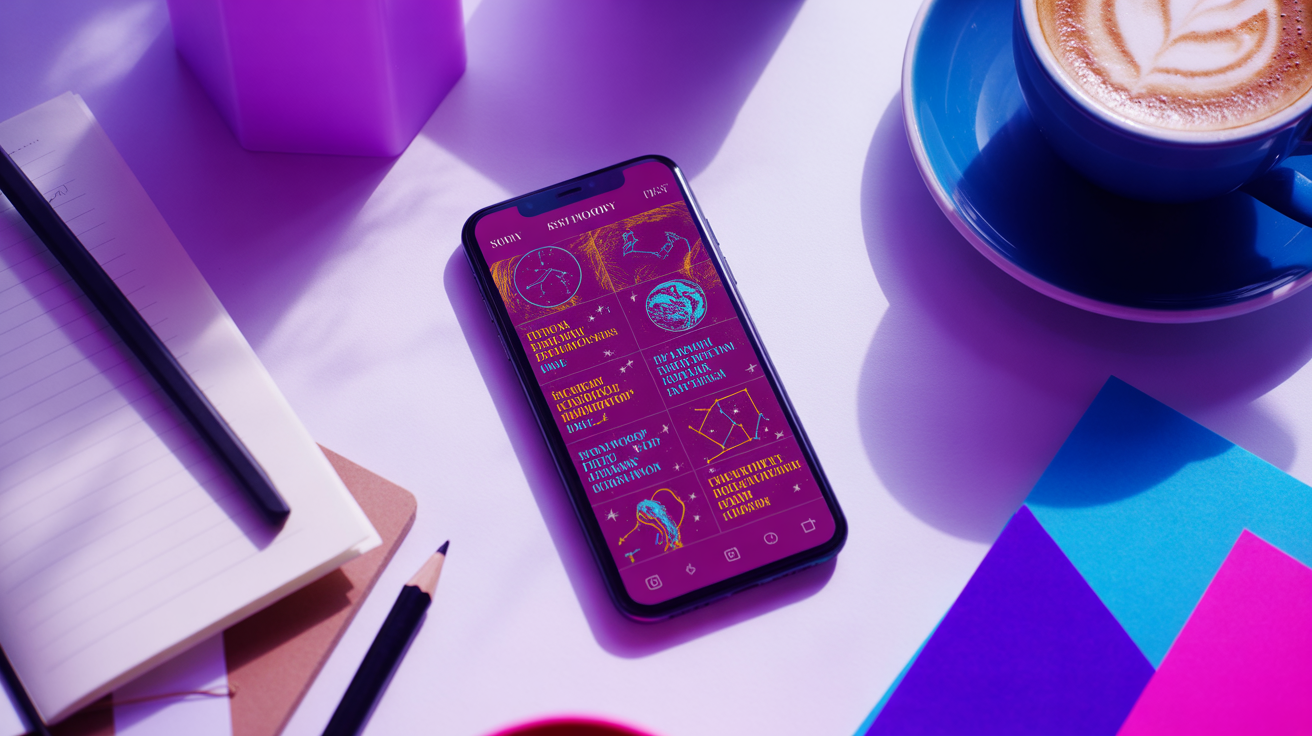
Astrology has always held a unique place in human culture, a symbolic language we’ve used to understand ourselves, others, and the mysterious rhythms of life. For decades, horoscopes were the stuff of Sunday newspapers and obscure New Age books, often dismissed as light entertainment or pseudoscience. But in 2025, astrology is experiencing a renaissance, and it’s being fueled by technology, creativity, and social media. AI-powered astrology apps and viral short-form content on TikTok and Reels are reshaping how people connect with their signs, planets, and cosmic rhythms making horoscopes both cool and culturally relevant again.
Why Astrology Feels More Relevant Today
Astrology has always been a tool for self-reflection, but its mainstream appeal waned for a time. Many people saw it as overly mystical, vague, or even outdated. Yet the need for guidance, understanding, and self-expression hasn’t gone anywhere — it just needed a fresh lens.
Today’s astrology is interactive, personalized, and social. No longer limited to generic monthly forecasts, it’s being reinvented to meet modern expectations:
-
Personalized guidance: AI apps now use your exact birth time, place, and chart to deliver readings tailored specifically to you.
-
Bite-sized content: TikTok and Instagram Reels break complex astrology down into entertaining, relatable, and digestible moments.
-
Aesthetic storytelling: Astrology videos now come with eye-catching visuals, trending music, and cinematic transitions, turning star signs into visual art.
The result is a zodiac experience that is fun, insightful, and shareable and perfectly in tune with the digital-first world.
AI Astrology Apps: Personalized Cosmic Guidance
AI has dramatically changed astrology from static horoscopes to dynamic, data-driven insights. Instead of reading broad statements about your sun sign, users now get deeply personal interpretations of their entire birth chart, including rising signs, moon signs, planetary aspects, and houses.
Here’s why AI-powered apps are transforming horoscopes:
Personalization at Scale
-
Custom birth charts: Your readings are based on your exact time and place of birth.
-
Natural language explanations: Complex planetary alignments are translated into understandable, actionable advice.
-
Daily or weekly forecasts: AI tracks transits and provides personalized guidance for relationships, career, and emotional wellbeing.
For example, an AI reading might explain:
“With Mercury retrograde affecting your communication sector, old conversations or unresolved messages may resurface. Here’s how to respond thoughtfully…”
This level of specificity makes astrology feel practical, credible, and deeply personal, bridging the gap between ancient wisdom and modern technology.
TikTok and Reels: Astrology Goes Viral
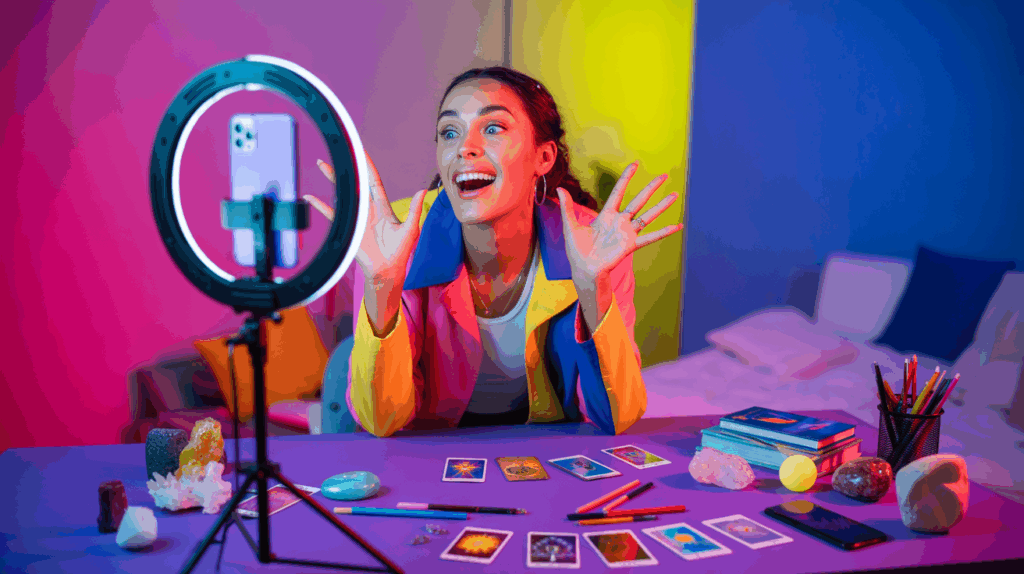
Short-form video platforms like TikTok and Instagram Reels have become powerhouses for astrology content. Millions of users scroll through videos describing the quirks of each sign, compatibility trends, or astrological humor.
Why astrology thrives on social media:
1. Relatability
People love seeing themselves in content. Videos like “Things an Aries Does When Angry” or “Virgo Energy in 10 Seconds” feel immediately recognizable. Viewers often tag friends, creating viral loops of engagement.
2. Visual Entertainment
Astrology lends itself to visual storytelling:
-
Animated zodiac symbols
-
Planetary alignments in motion
-
Aesthetic visuals synced to music and transitions
This approach makes learning about astrology engaging rather than academic.
3. Identity Expression
Signs and placements offer a shared language for self-expression:
-
“I’m a Scorpio Sun, Taurus Moon”
-
“My rising sign explains my first impressions”
-
“Here’s why our signs clash”
These identities become social connectors, giving users tools to express personality online.
4. Community Interaction
TikTok and Reels videos encourage participation:
-
Users share their signs in comments
-
Duet or react to trend videos
-
Compare charts or experiences
Astrology becomes a community language, creating a sense of belonging in digital spaces.

The Best AI Astrology Apps in 2025
To make astrology meaningful, you need tools that combine insight with usability. Here’s a curated list of top apps people are loving this year:
1. Co‑Star – AI-Powered Daily Horoscopes
-
Best for: Personalized daily insights and social sharing
-
Co‑Star generates highly specific readings using real-time planetary data. Users can compare charts with friends, making it perfect for TikTok/Reels content.
2. The Pattern – Psychological Astrology
-
Best for: Emotional insight & relationship patterns
-
Goes beyond daily horoscopes to provide deep analysis of personality rhythms, emotional cycles, and compatibility, making astrology feel like self-discovery.
3. Sanctuary – Conversational Astrology
-
Best for: Chat-style readings
-
Offers AI readings and expert astrologer guidance in a friendly, text-message style interface. It’s fast, interactive, and relatable for younger audiences.
4. Chani – Mindful Astrology
-
Best for: Astrology + self-care
-
Combines readings with rituals, journaling prompts, and moon phases, integrating astrology into wellness routines.
5. Nebula – AI Cosmic Guidance
-
Best for: Daily forecasts & compatibility
-
Blends astrology, numerology, and AI insights for tailored guidance on relationships, career, and personal growth.
6. AstroSage Kundli – Vedic Astrology
-
Best for: Traditional chart lovers
-
Provides Kundli charts, match-making tools, and professional consultations, all powered by AI for precision and accessibility.
7. Melooha – Beginner-Friendly
-
Best for: Clear, actionable readings
-
Straightforward and aesthetically pleasing, ideal for those new to astrology who want practical guidance without feeling overwhelmed.
Why These Apps Add Value
The best astrology apps do more than predict the future — they provide tools for understanding yourself and others.
-
Personalized insights: No more generic horoscopes — readings are tailored to your exact birth chart.
-
Shareable content: Perfect for social media, encouraging conversations and engagement.
-
Integration with lifestyle: Some apps include journaling, wellness prompts, or compatibility guides, blending spirituality and practicality.
-
Community & learning: Many apps allow for discussions, chart comparisons, or expert consultations, fostering connection and growth.
Whether you’re a casual horoscope reader or a full-on astrology enthusiast, these apps turn astrology into an interactive, meaningful tool.

The Future of Astrology and Technology
Astrology’s revival isn’t stopping with apps and TikTok. Here’s what’s next:
-
Augmented Reality (AR): Imagine pointing your phone at the night sky and seeing planetary alignments overlayed in real-time.
-
Voice-Activated Guidance: Ask your AI device about your day, love life, or career, and get personalized astrological advice.
-
Emotional AI Insights: Apps could track mood and correlate it with transits, offering self-care guidance tailored to emotional rhythms.
-
Virtual Star Communities: Digital lounges for chart discussions, compatibility explorations, and shared celestial experiences.
Astrology is moving from paper to interactive storytelling, merging intuition, technology, and social connectivity in ways that were impossible a decade ago.
Astrology as Cultural Expression
AI astrology apps and short-form video platforms are doing more than making horoscopes “cool again.” They’re transforming astrology into:
-
A personal compass: Understanding patterns, emotions, and relationships.
-
A community language: Connecting strangers through signs and placements.
-
A playful tool: Entertainment meets insight, making astrology fun, relatable, and shareable.
In 2025, horoscopes aren’t just back, they’re reinvented for a digital-first generation, blending technology, social media, and ancient wisdom into a tool that feels personal, poetic, and profoundly relevant.
Read next: 10 Ways Leos Will Flourish in the Year of the Horse